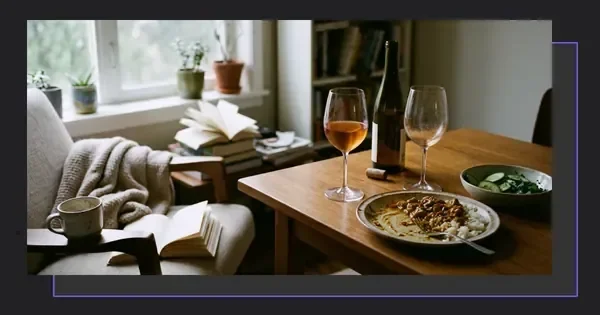
 Food PairingWine with spicy food: styles that cool heat and the ones that make it worse
Wine tasting notes and food pairing for enthusiasts
- Food PairingWine with spicy food: styles that cool heat and the ones that make it worse
 Tasting BasicsHow to describe wine flavour without reaching for clichés
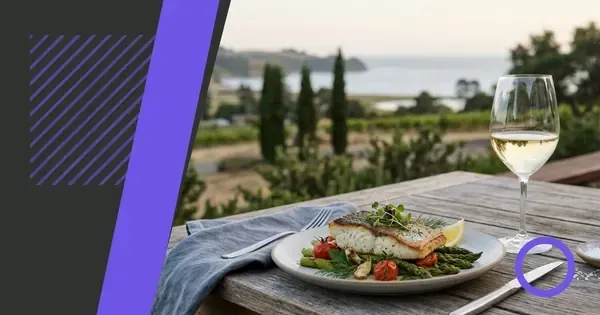 Food PairingPairing fish with wine: 4 textures and the bottles that suit them
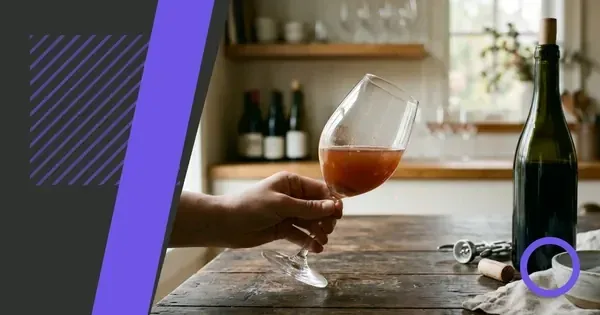 Storage and CareHow to tell if wine has gone off: 3 faults you can spot before the first sip
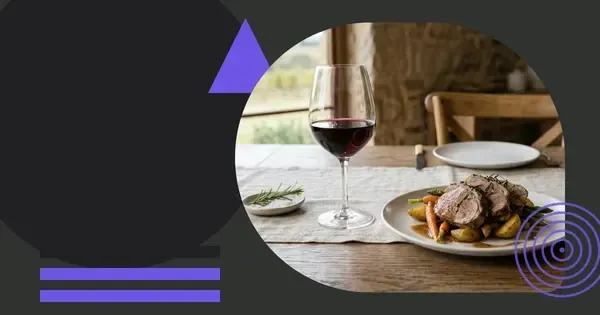 Wine KnowledgeWine with roast lamb: 5 styles that match the herbs and richness
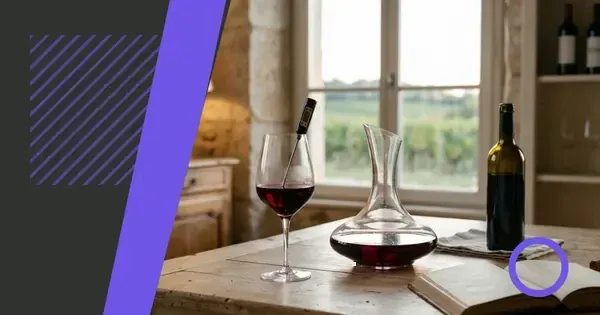 Serving TipsThe temperature red wine needs before it reaches the glass
 Wine KnowledgeOld World vs New World Wine: Three Ways the Divide Shows Up in Your Glass
 Tasting BasicsWhat acidity means in wine and how it shapes every glass
 Serving TipsHow to decant wine properly: 4 steps and the bottles that need it
 Wine KnowledgeWhat biodynamic wine is and how it differs from organic
 EntertainingHow to host a wine tasting at home: 6 steps to an evening people remember
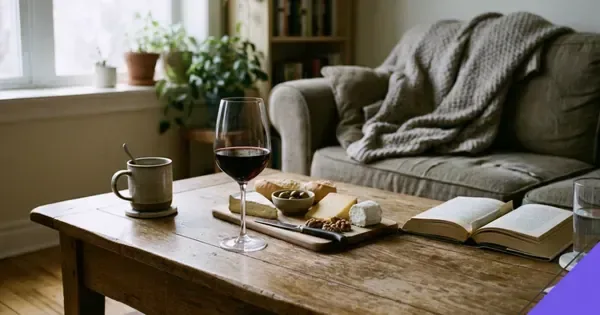 Food PairingHow to pair wine with cheese: 6 combinations that work
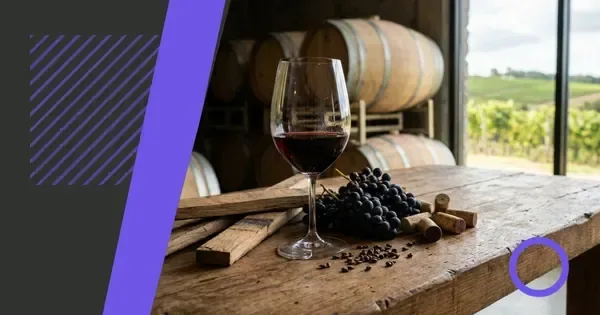 Tasting BasicsWhat tannin is and how to spot it in your glass
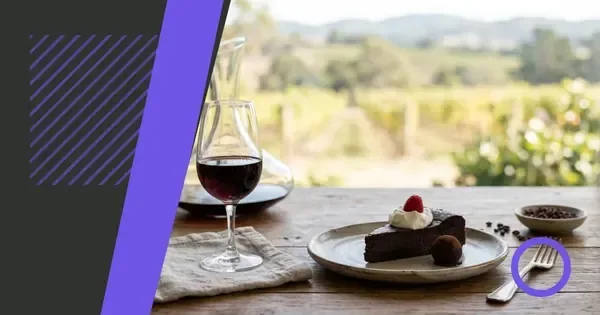 Food PairingWine with chocolate: 6 bottles that won't be overwhelmed
 Wine KnowledgeWhat is orange wine, and how is it made
Tasting Basics
Food Pairing
Wine Knowledge
Wine appreciation combines sensory observation with practical knowledge—what you notice in the glass, how flavours develop and which foods bring out the best in a bottle. This guide walks through the process of tasting, recording your impressions and pairing wine with meals. Readers in the UK will find methods they can apply at home, whether opening a midweek red or planning a dinner around a special vintage.
Building a tasting routine you can sustain
Tasting wine deliberately rather than passively means engaging each sense in turn. Pour a small measure into a glass with a bowl wide enough to swirl. Hold it against a white background to see the colour clearly—pale straw, deep gold, ruby, garnet or brick. Tilt the glass and note whether the wine clings to the sides or runs quickly; the former suggests higher alcohol or residual sugar.
Swirl the wine to release volatile compounds, then bring the glass to your nose without putting your face inside it. The first impression often registers fruit, flowers or earthy notes. Take a second sniff after a few moments; different aromas emerge as the wine opens. On the palate, let the liquid coat your tongue and the roof of your mouth. Notice sweetness at the tip, acidity along the sides, tannin as a drying sensation and the weight of the wine—light, medium or full.
The finish is what lingers after you swallow or spit. A short finish fades within a second or two; a long one evolves and persists. Recording these observations in a notebook or app builds a reference you can return to when choosing bottles or tracking your preferences over time.
What to write in a tasting note
A useful note captures appearance, aroma, palate and finish in plain language. Instead of "nice" or "fruity", write "lemon and green apple" or "blackcurrant with a hint of tobacco". Mention the texture—silky, chalky, creamy—and how the wine balanced sweetness, acidity, tannin and alcohol. A sentence on when and with what you tasted it adds context: a Burgundy drunk young tastes different from the same wine after five years.
Pairing wine with food: principles that work
Successful pairings either complement or contrast. Complementary matches echo flavours—earthy Pinot Noir with mushroom risotto, buttery Chardonnay with lobster in cream sauce. Contrasting pairings offset one element with another: a sweet Riesling cuts through the salt and fat of blue cheese, while crisp Sauvignon Blanc lifts rich, oily fish.
Acidity in wine refreshes the palate when the dish is fatty or rich. A Chianti with tomato-based pasta works because the wine's acidity matches the tomatoes and cleanses the palate between bites. Tannin in red wine binds to protein and fat, so a Cabernet Sauvignon suits a ribeye steak but overwhelms delicate white fish. Sweetness in wine should meet or exceed the sweetness in the dish; a dry wine alongside dessert tastes thin and sour.
Weighing wine against dish intensity
Match the body of the wine to the weight of the food. Light dishes—salads, steamed vegetables, poached chicken—pair with light wines such as Muscadet or Grüner Veltliner. Hearty stews, roasts and aged cheeses call for fuller wines with more structure. A delicate wine disappears next to bold flavours; a powerful wine drowns a subtle dish.
Common mistakes and how to sidestep them
Serving temperature alters what you taste. Whites too cold mute aroma and acidity; reds too warm taste flabby and alcoholic. A standard refrigerator is colder than ideal for white wine—take the bottle out ten minutes before serving. Room temperature in a centrally heated house is too warm for red wine; fifteen minutes in the fridge brings it to cellar temperature.
Overfilling the glass leaves no room to swirl and concentrates alcohol vapour in your nose. Pour a third of the way up the bowl. Using the wrong glass shape matters less than using a clean one: residues from detergent or a tea towel can flatten bubbles and distort flavour.
Tasting too many wines in succession fatigues the palate. After four or five samples, everything starts to blur. Spit rather than swallow if you are tasting more than a few, and rinse with water between flights. Eating plain bread or crackers without salt resets your palate, though strong flavours—cheese, olives, cured meat—do not.
Choices and options for deepening your practice
Comparative tastings reveal differences that single bottles obscure. Pour two Malbecs from different regions, or the same grape variety from warm and cool climates, and taste them side by side. The contrast sharpens your ability to identify regional character and stylistic choices. Blind tastings—covering the labels—remove preconceptions about price or prestige and force you to rely on what is in the glass.
Joining a tasting group or attending events hosted by wine merchants and importers exposes you to bottles you would not buy on your own. Many UK wine shops run weekly or monthly sessions; some are free with a small purchase. Online communities and forums let you compare notes with other enthusiasts, though nothing replaces tasting the wine yourself.
Building a modest cellar at home
A cellar does not require a basement. A cupboard away from radiators and direct sunlight, where the temperature stays between ten and fifteen degrees, will do. Store bottles on their sides to keep corks moist. Buy more than one bottle of wines you enjoy so you can track how they age. Most everyday wines are made to drink within a year or two; structured reds and some whites improve over five to ten years if stored properly.
Regional styles and what drives them
Climate, soil and winemaking tradition shape regional style. Cool-climate wines—German Riesling, Loire Sauvignon Blanc, Burgundy Pinot Noir—tend towards higher acidity, lower alcohol and more restrained fruit. Warm-climate wines from southern Spain, California or Australia show riper fruit, fuller body and softer acidity. Soil composition affects texture and minerality: chalk in Champagne and Chablis, volcanic soils in Sicily and Santorini, gravel in Bordeaux.
| Region | Signature grape | Key characteristic | Classic pairing |
|---|---|---|---|
| Burgundy | Pinot Noir | Silky tannins, red fruit, earthy complexity | Duck, mushrooms, soft cheeses |
| Rioja | Tempranillo | Savoury, leather, dried fruit from oak ageing | Lamb, chorizo, hard cheeses |
| Marlborough | Sauvignon Blanc | Bright acidity, gooseberry, passion fruit | Shellfish, salads, fresh goat's cheese |
| Barolo | Nebbiolo | High tannin, high acidity, rose and tar | Braised beef, game, truffle dishes |
| Mosel | Riesling | Off-dry to sweet, lime, petrol notes with age | Spicy food, pork, blue cheese |
How winemaking choices alter the result
Fermentation in stainless steel preserves primary fruit and freshness. Oak barrels add vanilla, spice and a rounder texture but can dominate if used heavily. Extended lees contact—leaving the wine on dead yeast cells—builds creaminess and complexity in white wines. Malolactic fermentation softens acidity and introduces buttery notes, common in Chardonnay. Carbonic maceration, used for Beaujolais, produces bright, fruity reds with low tannin.
Practical habits that improve every tasting
Taste wine at different stages after opening. Some bottles show their best within an hour; others need a day. Decanting accelerates this process by exposing the wine to oxygen, softening tannins and releasing aroma. Young, tannic reds benefit most; delicate old wines may fade quickly once decanted.
Keep a record of producers and vintages you enjoyed. When you find a wine you like, note the importer or distributor on the back label—they often bring in a range with similar qualities. Ask your wine merchant for recommendations based on what you have enjoyed before rather than asking for "something good".
- Taste wine before and after a meal to notice how food changes your perception of acidity, tannin and sweetness.
- Compare the same wine from different vintages if you can find them; weather shapes the character of each year.
- Visit vineyards when travelling—seeing the terrain and meeting the people behind the bottle deepens understanding.
- Read tasting notes from critics and merchants, but trust your own palate; preference is personal.
Where to go next with your wine knowledge
Books on viticulture and winemaking explain the decisions that shape what you taste. The Wine and Spirit Education Trust offers structured courses at different levels, from foundational to professional. Many independent wine merchants in the UK run informal tastings and are happy to discuss their selections. Visiting wine regions—Bordeaux, Tuscany, the Douro—puts theory into context and introduces you to styles you might not encounter at home.
Online retailers often publish detailed tasting notes and food-pairing suggestions with each wine. Some host virtual tastings where you can taste alongside the winemaker or importer. Regional wine fairs and festivals let you sample widely in a short time, though the environment is rarely ideal for focused tasting.
Start tasting more deliberately this week
You do not need rare bottles or a trained palate to begin. Pick a wine you already enjoy and taste it with intention, noting what you see, smell and taste.
Open two bottles of the same grape from different countries and compare them. Write down three words for each wine's aroma and three for the palate. Pour a glass of the wine you are drinking tonight and taste it before, during and after your meal—notice how the food changes it. Visit a local wine merchant and ask them to recommend something based on a wine you liked in the past.
Frequently asked questions
How long should I let a bottle breathe before tasting?
Most wines show well within thirty minutes of opening. Young reds with firm tannins benefit from an hour or two of air exposure, either in the bottle or in a decanter. Older wines and delicate whites can fade quickly, so taste them soon after opening and monitor how they develop.
What is the difference between tasting and drinking wine?
Tasting involves deliberate observation—assessing appearance, aroma, palate and finish in order to understand the wine's structure and character. Drinking is enjoying the wine without analysing it. Both have their place; tasting builds knowledge, while drinking is about pleasure.
Can you pair red wine with fish?
Yes, when the fish is rich or the preparation is robust. Light-bodied reds like Pinot Noir or Gamay work with salmon, tuna or swordfish. Grilled or braised fish can handle more tannin than poached or steamed preparations. White wine remains the safer choice for delicate white fish.
Why do some wines taste different each time I open them?
Wine evolves in the bottle and continues to change after opening. Temperature, time of day, what you have eaten recently and even your mood affect perception. Wines with complexity show different facets depending on how long they have been exposed to air and how they are served.
Should I spit or swallow when tasting multiple wines?
Spit if you are tasting more than four or five wines in a session. Alcohol dulls the palate and clouds judgement. Swallowing is fine when tasting one or two bottles with a meal. Professional tastings always provide a spittoon.
What does it mean when a wine is described as dry?
Dry means the wine contains little or no residual sugar—the natural grape sugars have been fully fermented into alcohol. A dry wine can still taste fruity because fruit flavour and sweetness are not the same thing. Off-dry wines have a small amount of residual sugar; sweet wines have much more.
How do I know if a wine is worth ageing?
Wines built for ageing have high acidity, firm tannins and concentrated fruit. Most everyday wines are made to drink young and will not improve with time. If the back label or merchant's note mentions cellaring potential, the wine is a candidate. Storing it properly—cool, dark, stable temperature—is essential.